
Crash casino games in Australia: what the rising multiplier actually is, who carries it, and why the IGA sits over all of it
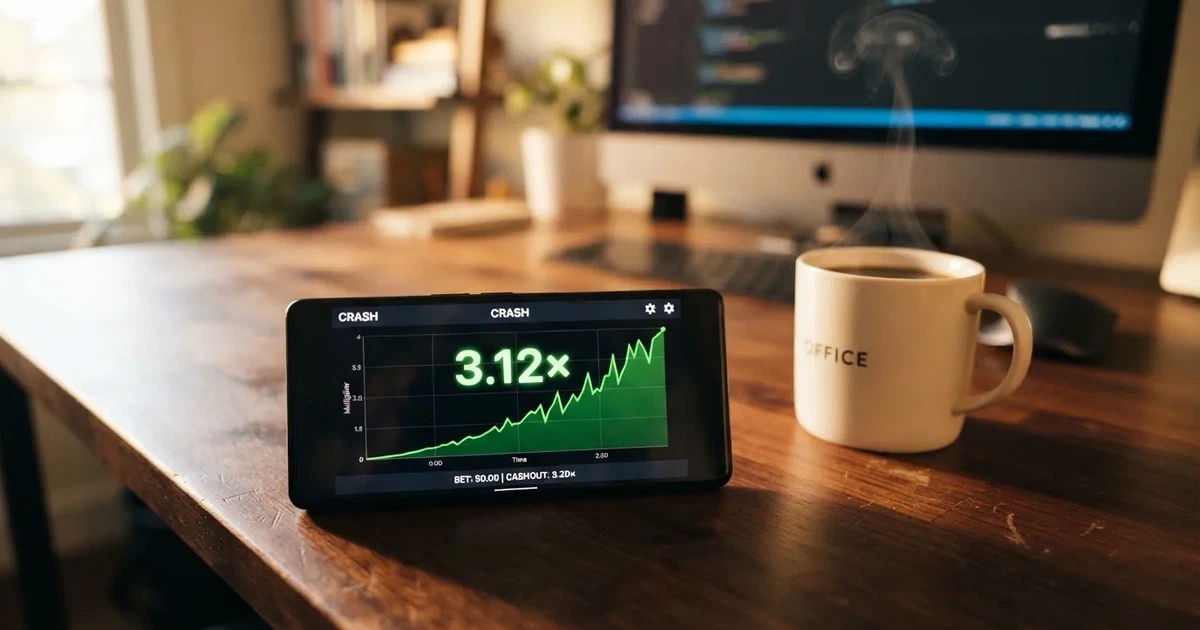
A crash game is not hard to describe, which is part of why it has spread. A multiplier climbs from 1.00x the moment a round starts; every player who has placed a bet has to decide, on their own clock, when to click out. If they click before the multiplier crashes, the stake is multiplied by whatever number was showing when they left. If the multiplier crashes first, that stake is gone. The whole round, from the green light to the crash point, often lasts seconds, and that brevity is the point. The format rewards nerves as much as it rewards luck, and the speed at which one round follows another is what separates a crash game from a hand of blackjack or a spin on a pokie reel. A player looking for an online casino in Australia who lands on a crash game is also landing on a product category the Interactive Gambling Act 2001 prohibits from being offered to Australian residents at all, which is the subject of this page alongside the mechanics.
This page was last checked against the ACMA register on 9 November 2026, and against the named regulator publications cited below.
Table of Contents
- What a crash game round looks like, and why the format has a house edge
- The offshore shelf: 11 brands the ACMA has warned over the same product
- The Interactive Gambling Act 2001 and what it actually blocks
- The arithmetic of the ACMA’s blocking rate
- Responsible play at a crash game: the loss limit comes first
- Crypto-funded crash games and the payment ban that reaches them
- A note on the comparison the reader came here for
- Frequently asked questions
What a crash game round looks like, and why the format has a house edge
A crash game round begins with a betting window. Players stake any amount the table allows and watch the multiplier begin its climb from 1.00x. The line moves smoothly on screen, and each player who is still in can press a cash-out button at any second. The button press freezes that player’s return at the displayed multiplier. If nobody presses in time, the multiplier “crashes” at a number chosen before the round started, and every player who stayed in loses. Spribe’s Aviator, the most widely deployed crash title, reached more than 12 million players a month by January 2024, and was reported live at roughly 5,000 online casino brands handling up to 350,000 bets per minute in February 2025. The numbers tell the reader two things at once — how thoroughly the format has been adopted, and how little time any single round gives a punter to think.
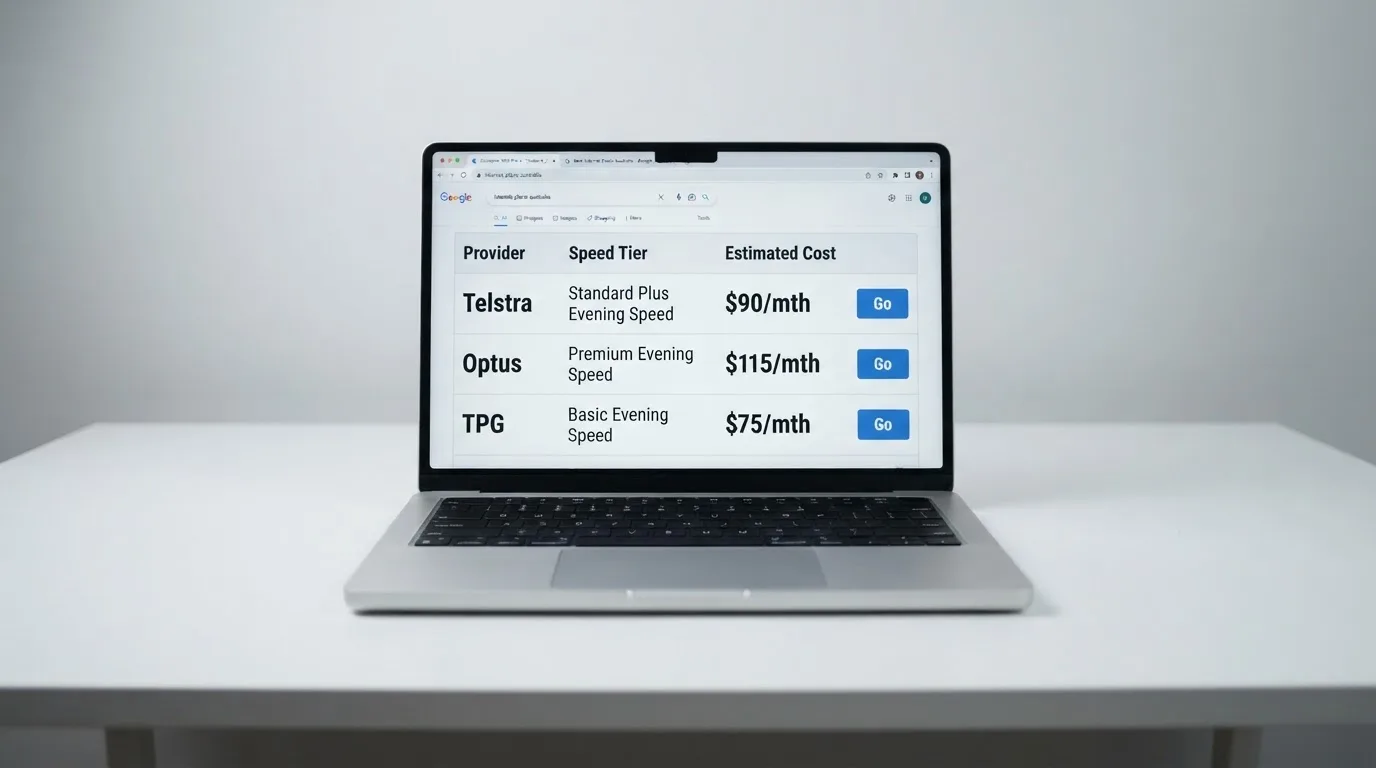
The crucial detail sits underneath the climbing line. The crash point is decided before the multiplier starts moving, not as the round unfolds. The on-screen animation is a reveal of an outcome that already exists; it is not a live process the casino can pause or steer. A round that crashes at 1.01x is identical in mechanism to a round that runs past 100x, and the operator has the same relationship to both. The random-number logic that produces the crash point runs on a provably-fair system offered by Spribe to the casinos that carry Aviator, which is what allows players, in principle, to check that any past round was generated as advertised. Provably-fair is a transparency mechanism, not a guarantee of winning. The house edge still sits on every round.
That edge is built into the multiplier curve the operator chooses to publish. Every crash casino game shows its own paytable-style multiplier curve — a list of how often rounds end at 1.00x, at 1.5x, at 5x, at 50x and so on — and the distribution the operator publishes is what determines the long-run return. A curve heavy on low multipliers pays out often but small; a curve that lets the line run further pays out rarely but large. The math behind both shapes has the house taking a slice of every stake in the long run, which is the same shape the house edge takes in baccarat (1.06% on Banker, 1.24% on Player, 14.36% on Tie) or in craps (1.41% on Pass/Come). A reader looking at a crash game curve should read it the way they would read any other house edge: as the cost of playing, expressed in a distribution rather than a single percentage.
The format’s psychological pressure comes from the same place its mathematical edge does. A multiplier that is visibly climbing past 2x, past 3x, past 5x exerts a pull on every player still in. Cash out at 2x and the round keeps running; do not cash out and the round may crash the next second. The temptation to “let it ride one more second” is the lived experience of the format, and it is why responsible gambling guidance for crash games always begins with the loss limit, set before the round starts. A punter who decides, after a bad round, to chase the next multiplier back up is doing the thing the format is built to invite.
The offshore shelf: 11 brands the ACMA has warned over the same product
The Australian Communications and Media Authority maintains a list of operators it has issued formal warnings to under the Interactive Gambling Act 2001, and every brand below appears on that list. The warnings do not depend on the game the player was running — a casino that serves Australians an online pokie, a hand of blackjack or a crash game is breaking the same prohibition. The brands are presented here not as recommendations but as the named shelf a reader will encounter if they search for a crash casino game in Australia. Each entry carries the operator name published by the ACMA and the date the warning was issued; the licence the offshore site displays in its footer is not an Australian licence, because no Australian licence exists for the product.
| Brand | ACMA action and date | Operator named by the ACMA | Subject support |
|---|---|---|---|
| RocketPlay | formal warning, March 2026 | Pulsup Ltd | — |
| Level Up Casino | formal warning, May 2022 | Dama N.V. | listings-only (Bgaming.com) |
| Woo Casino | formal warning, March 2025 | Dama N.V. | — |
| Spirit Casino | formal warning, May 2025 | Dama N.V. | — |
| National Casino | formal warning, July 2025 | Consolutetish S.R.L. | listings-only (en.wikipedia.org) |
| Bizzo Casino | formal warning, July 2025 (earlier 2022) | Consolutetish S.R.L. (earlier TechSolutions) | — |
| Ignition Casino | formal warning, July 2025 | Bamboo Media | — |
| Instant Casino | formal warning, February 2025 | EOD Code SRL | — |
| Jackbit | formal warning, April 2026 | Ryker B.V. | — |
| Casino Intense | formal warning, April 2025 | Sterplay Holding Ltd | listings-only (Abc.net.au, acma.gov.au, Crownmelbourne.com.au) |
| Sky Crown | formal warning (September 2022) | Hollycorn N.V. | — |
Two patterns are visible in that table without any further arithmetic. The first is repetition of operator names across brands: Dama N.V. sits behind Woo Casino and Spirit Casino (and earlier, in May 2022, behind six other brands including Level Up Casino); Consolutetish S.R.L. sits behind both National Casino and Bizzo Casino. A warning issued to one operator covers every brand they run, which is why the ACMA’s own publications list warnings by company name rather than by the casino URL. The second is the recency of the enforcement — formal warnings in February 2025, March 2025, April 2025, May 2025, July 2025, April 2026 and March 2026 — and the persistence of older ones (the Hollycorn N.V. warning dates to September 2022 and the Dama N.V. May 2022 warning still anchors three of these brands). A regulator that has been writing the same letters for four years is not running out of offshore brands to write them to.
The “Subject support” column reflects a narrower question than the ACMA column. Research did not find a confirmation that any of these brands carry the crash format in particular — Aviator, Spribe’s title, or any of the half-dozen rising-multiplier games that imitate it. Where research turned up only a listing on a third-party aggregator or wiki page, the cell carries that as a listings-only report, naming the source; where research found nothing either way, the cell carries the em-dash no-data marker and the brand is presented on the other fields it does have. A reader who lands on any of these sites and finds a crash game under the “Instant Win” or “Other” tab is finding exactly the product category this page covers, and is finding it on a site the ACMA has already written to.
RocketPlay — Pulsup Ltd, formal warning March 2026
RocketPlay is the most recent addition to the ACMA’s enforcement shelf. The formal warning to Pulsup Ltd over Rocketplay.com.au was published in March 2026, and the brand has been on the ACMA’s radar in earlier years through its association with Dama N.V., which was warned in May 2022 over six brands including Rocketplay itself. The same operator name appearing on both lists tells a reader the ACMA’s enforcement has not stopped the brand from continuing to take Australian traffic — Rocketplay.com.au is the .au-facing mirror of an offshore product, and a punter who lands on it is landing on a site the regulator has written to twice. No crash-game-specific subject support was confirmed in research; the brand is presented on the ACMA action alone.
Level Up Casino — Dama N.V., formal warning May 2022
Level Up Casino sits inside the original Dama N.V. warning of May 2022, which covered six brands in a single letter. A Bgaming.com listing is the only signal research turned up that the brand surfaces in third-party game-provider directories, and that signal carries no confirmation about crash games specifically. The brand is five years past its warning and remains in operation; the ACMA’s enforcement works in increments, and a brand can sit on the warning shelf for years before the next escalation step is taken.
Woo Casino — Dama N.V., formal warning March 2025
Woo Casino drew a fresh Dama N.V. warning in March 2025, three years after the original May 2022 letter. The pattern repeats: the same operator being told twice, several years apart, that its Australian-facing casino product is prohibited. No subject-support data was confirmed for Woo Casino; the date of the ACMA action is the primary reference for this entry.
Spirit Casino — Dama N.V., formal warning May 2025
Spirit Casino sits on the same Dama N.V. shelf as Woo Casino, with a warning two months later in May 2025. The gap between the two fresh Dama N.V. warnings — March and May 2025 — shows the ACMA writing repeatedly to the same operator as the operator opens new brands. Research did not confirm any crash-game-specific support for Spirit Casino; the entry rests on the warning.
National Casino — Consolutetish S.R.L., formal warning July 2025
National Casino was named alongside Bizzo Casino in the same July 2025 warning to Consolutetish S.R.L. A wikipedia.org listing is the only third-party signal research turned up for the brand. The combined warning to one operator over two brands repeats the Dama N.V. pattern, and the ACMA’s July 2025 letter is the second time a National Casino–linked company has been warned.
Bizzo Casino — Consolutetish S.R.L., July 2025 (earlier 2022)
Bizzo Casino is the brand with the longest ACMA paper trail on this shelf. The July 2025 warning to Consolutetish S.R.L. sits on top of a 2022 formal warning to TechSolutions (CY) Group Limited and TechSolutions Group N.V. over the same brand — the second formal warning tied to Bizzo Casino since 2022. A reader looking at Bizzo Casino is looking at a brand the regulator has written to under two different operating-company names, three years apart, and the brand is still operating. No crash-game-specific support was confirmed; the repeated warnings underscore the brand’s persistent status.
Ignition Casino — Bamboo Media, formal warning July 2025
Ignition Casino was named in the same July 2025 enforcement wave as the Consolutetish S.R.L. letter. Bamboo Media is a different operator name from any of the Dama N.V. or Consolutetish entries, which is a useful reminder that the ACMA’s warnings do not flow to one company — they flow to whichever offshore operator is named in the brand’s corporate filings at the time of the letter. No subject support was confirmed for Ignition Casino.
Instant Casino — EOD Code SRL, formal warning February 2025
Instant Casino was the subject of a standalone warning to EOD Code SRL in February 2025. The name “Instant Casino” is the kind that lands high in search results for anyone typing “instant” alongside “casino”, and a reader who reaches it through search is reaching a brand the regulator wrote to at the start of 2025. Research did not confirm any crash-game-specific support; the formal warning suffices as the entry’s basis.
Jackbit — Ryker B.V., formal warning April 2026
Jackbit was named alongside CasinOK in an April 2026 warning to Ryker B.V. The brand name ends in “-bit”, which a reader could read as a crypto signal; research did not confirm any crash-game-specific support for Jackbit, and the entry rests on the warning. Jackbit sits among the freshest entries on this shelf.
Casino Intense — Sterplay Holding Ltd, formal warning April 2025
Casino Intense sits on a Sterplay Holding Ltd warning issued in April 2025. Research turned up listings on Abc.net.au, acma.gov.au and Crownmelbourne.com.au as the third-party signals associated with the brand — all three are Australian-side sources, which is consistent with Casino Intense being a brand whose visibility in Australia is what drew the warning. No crash-game-specific subject support was confirmed; the warning itself, backed by the listed sources, forms the entry’s support.
Sky Crown — Hollycorn N.V., formal warning September 2022
Sky Crown was named in the Hollycorn N.V. warning that also covered Blue Leo, published in September 2022. Sky Crown is the oldest entry on this shelf by formal-warning date, and the brand has continued operating across the four years since. No subject support was confirmed; the entry rests on the warning and on the date.
The Interactive Gambling Act 2001 and what it actually blocks
The Interactive Gambling Act 2001, strengthened by the Interactive Gambling Amendment Act 2017, makes it an offence to provide online casino games, online pokies or in-play betting to a person physically in Australia. The IGA does not target the individual player — it targets the provider. An Australian resident who opens an account with an offshore casino is not personally committing an offence under the IGA, but the offshore operator is, and the offshore site gives the player none of the protections an Australian-licensed operator would be required to give. No state or territory licenses online casino games or online pokies. The Northern Territory Racing and Wagering Commission regulates 52 of Australia’s online bookmakers — Sportsbet, Bet365 and Ladbrokes among them — but those licences cover wagering on races and sport, not casino games; the commission itself has no full-time staff and meets once a month in Darwin.
What the IGA permits, and what an Australian-licensed operator is allowed to offer, is wagering on races and sport placed before the event, lotteries and keno. Crash games are not on that list. A crash game is not a wager on a sporting outcome, is not a lottery, and is not keno — it is a casino game in the same legal category as a pokie reel or a hand of blackjack. The Interactive Gambling Amendment (Gambling Reform) Bill 2026 passed Parliament on 19 August 2026, and its advertising and inducement measures commence on 1 January 2027 — law with a start date, not yet in force on a page dated 2026.
The enforcement arm of the regime is the ACMA. The authority investigates, issues formal warnings, and directs Australian internet service providers to block illegal sites. As reported in June 2026, the ACMA’s running total of blocked illegal gambling and affiliate marketing websites stood at 1,751 since the first blocking request in November 2019, and more than 230 unlicensed gambling services had left the Australian market since enforcement was strengthened in 2017. The most recent round, reported on 26 June 2026, asked ISPs to block 12 more websites in a single action: 7Signs, ChromaBet, Donbet, Duospin, Freshbet, Slots Gem, Jacks Club, Lucky Start, Pointsbetz.com, Spinrise, Vinyl Casino and Wildsino. None of those twelve are crash-game specialists, but every one of them is an offshore site the ACMA has determined is offering prohibited services to Australians. The pattern is what the reader should hold onto: the ACMA blocks in batches, and the batches keep growing.
The H2 Gambling Capital 2025 report estimates Australians lose about A$3.9 billion a year to illegal gambling sites, and that the share of gambling going through legal channels fell from 74% in 2021 to 64%. Both numbers describe the offshore shelf in aggregate — not crash games specifically, but the category the crash sites sit inside. A reader who wonders how a product the IGA prohibits can still be visible enough to be searched for has the H2 figure as the answer: the demand is large, and the offshore supply follows it.
The arithmetic of the ACMA’s blocking rate
The blocking total grew from 0 in November 2019 to 1,751 by June 2026. The arithmetic the page carries is a rate, not a single figure, because the ACMA’s blocking output is not linear. In the period from November 2019 to June 2026 — roughly 80 months — the average works out to about 22 sites blocked per month across the whole period, but the early years were quieter than the recent ones. The round reported on 26 June 2026 alone added 12 sites in a single action; the rate has accelerated, and the published running total is the running total of an enforcement program that has been writing more letters per quarter than it did per year in its first years. A reader who treats “1,751 sites” as a snapshot should hold it as the outcome of an accelerating program, not as a steady drip.
That acceleration is what the formal-warning table above mirrors. Of the 11 brands on the ACMA shelf this page covers, four were warned in 2025 alone (Woo Casino, Spirit Casino, National Casino, Bizzo Casino, Ignition Casino, Instant Casino, Casino Intense — seven in 2025, with three more in 2026: RocketPlay, Jackbit and the CasinOK companion brand). The ACMA’s warning output per year has grown alongside its blocking output, and the operator names on the list have diversified away from a small set of repeat offenders. The enforcement is reaching brands that were not on earlier warning lists, which is what an accelerating program looks like in practice.
The condition on the rate is the one a reader should keep in view: the 1,751 figure is a running total of sites blocked, not a count of distinct operators, and a single offshore group can sit behind multiple blocked URLs. The 12-site batch from 26 June 2026 is a single enforcement action, not twelve independent ones; the Dama N.V. warnings to Level Up Casino, RocketPlay, Woo Casino and Spirit Casino are letters to one company, not four. The headline rate understates the diversity of brands the regulator has touched and overstates the diversity of the companies behind them.
Responsible play at a crash game: the loss limit comes first
A crash game’s speed is what makes the responsible-gambling guidance around it different from the guidance around a hand of blackjack or a spin on a pokie reel. A round of blackjack lasts long enough for a player to track their session step by step; a slot spin lasts three seconds. A crash game round is shorter than a slot spin in many cases, and the rounds follow one another without pause. A player who enters a crash game session without a loss limit is entering a format whose pace will outrun any limit they try to set after the first bad round.
The sensible order is the one responsible-gambling guidance consistently recommends: decide the loss limit before the round starts, decide the cash-out target before the round starts, and stop at either threshold regardless of how the next round is shaping. A multiplier at 4x that is visibly climbing is not a reason to skip the cash-out target set at 2x. A round that just crashed at 1.01x is not a reason to double the next stake to “chase it back”. The format’s edge works on exactly these impulses, and the responsible player is the one who set their rules before any impulse could set them.
For an Australian reader, the responsible-gambling register that applies is BetStop — the National Self-Exclusion Register, live since August 2023. BetStop binds Australian-licensed online and phone wagering services, which means it does not bind an offshore crash casino: an Australian resident who self-excludes through BetStop is still able to open an account with the brands on the ACMA warning shelf above, because those brands are not Australian-licensed. The exclusion is real for legal Australian wagering and it stops at the legal border. The offshore shelf is reachable from Australia without going through BetStop, and a reader who has used BetStop should understand that the exclusion it grants is bounded by the IGA’s own scope.
The 24/7 national help line is 1800 858 858, free, with chat at Gambling Help Online. A reader who is reading this page because they have already started playing crash games at an offshore site and want to stop has those two routes open to them, and both routes work whether or not the offshore site itself offers any responsible-gambling tools.
Crypto-funded crash games and the payment ban that reaches them
A crash crypto casino is, mechanically, the same product as a non-crypto crash casino: a rising multiplier, a cash-out button, a crash point decided before the round starts. The crypto angle sits in how the player funds the bet, not in how the round resolves. Some crash games marketed at crypto casinos are simply a reskinned version of the same rising-multiplier format, with the same house edge and the same distribution of crash points — the deposit rail is what is different, not the math.
The payment rail is what makes the crypto-funded crash product a separate question in Australia. Credit cards, credit-related products and digital currency are banned as payment for licensed online wagering since 11 June 2024, with penalties of up to $247,500 for operators who breach the ban. Legal deposit routes for licensed wagering are debit card, bank transfer, PayID/Osko and BPAY. A crash casino asking an Australian for a credit card or a crypto deposit is operating outside the Australian rules, regardless of whether the licence it shows in its footer says otherwise. The licence an offshore crash casino displays is a Curaçao or Anjouan master licence, not an Australian one, and the payment rail an Australian player is asked to use is the first concrete signal that the site is outside the IGA’s permitted scope.
A bitcoin casino crash game does not solve the legal problem the IGA sets. The product remains prohibited; the funding method does not change what the product is. A player who funds a crash game with bitcoin at an offshore site is still playing a casino game the operator is prohibited from offering them. The balance at the end of a session is held by an offshore company with no Australian complaints body and no Australian recourse if the operator refuses a withdrawal. The IGA’s prohibition runs to the provider of the interactive gambling service, and the provider is the offshore operator regardless of the currency the player used to fund the bet.
A reader looking for a crash casino game in Australia should understand what the IGA does and does not do. It does not prosecute the player. It does not make the act of placing a bet criminal. It does make the act of offering the bet to an Australian resident an offence, and the offshore brand on the other end of the bet is the one the regulator writes to. The player on the Australian side loses the consumer protections the IGA would have given them — a complaints body, a withdrawal guarantee, the BetStop exclusion — without losing any of the cost. That is the bargain the offshore shelf offers, and the page has named the brands that make it.
A note on the comparison the reader came here for
The opening of this page promised a comparison a reader could use, and the comparison that fits is not the one most pages on this subject attempt. A side-by-side of offshore crash casinos by advertised maximum multiplier, by crypto support, by welcome bonus — none of those comparisons tells a reader anything about whether the site is lawful for an Australian resident, because none of them is. The lawful comparison is the one the ACMA’s own enforcement shelf gives: which operators have been warned, when, and under what corporate name. That comparison is the table this page carries, and the verdict the table supports is the verdict the IGA already supports — every offshore crash casino carrying the format to Australians is doing what the IGA prohibits, and the ACMA’s enforcement shelf is the documented record of how often the regulator has had to write that down.
A reader who came to this page for a list of recommended crash casinos will not find one, because recommending an offshore crash casino to an Australian resident is recommending a product the IGA prohibits from being offered to them. The recommendation the page makes is the recommendation the ACMA’s enforcement record makes: treat the offshore shelf as the shelf the regulator has been writing to for seven years, and use the loss-limit guidance in the responsible-play section above before any session at any site — Australian-licensed or not.
Frequently asked questions
Is it legal to play a crash casino game for real money in Australia?
No online casino game, including a crash game, can be lawfully offered to a person in Australia under the Interactive Gambling Act 2001. Australian-licensed operators do not offer crash games; offshore operators do, and the ACMA has issued formal warnings to multiple operators offering them.
How does the rising multiplier in a crash game actually work?
The multiplier starts at 1.00x when the round opens and climbs smoothly. Players cash out at any moment before it crashes, locking in the displayed multiplier on their stake; if the multiplier crashes first, every player still in loses. Spribe’s Aviator is the most widely deployed title, with a reported 5,000 brand integrations by February 2025.
Is a crash game’s outcome decided before or during the multiplier’s rise?
Before. The crash point is generated at the start of the round; the on-screen climb is a reveal of that outcome. Provably-fair systems, used by Spribe for Aviator, let players verify past rounds were generated as advertised, but they do not change the house edge built into the multiplier curve.
Do crypto casino crash games use a different random outcome system to a standard one?
No. The crypto angle is the funding rail, not the math. The crash point is generated the same way, the multiplier curve is published the same way, and the house edge sits on every round the same way. Crypto funding also falls under Australia’s payment ban for licensed wagering since 11 June 2024.
What is a sensible way to set a loss limit before starting a crash game round?
Set the loss limit before the first round, set the cash-out target before the first round, and stop at either threshold regardless of how the next multiplier is climbing. A round that just crashed is not a reason to raise the next stake; a multiplier visibly past the cash-out target is not a reason to skip the target. BetStop and the 24/7 helpline at 1800 858 858 are the Australian-licensed support routes.
Can a crash game round be cashed out at any point before it ends?
Yes — that is the mechanic the format is built on. The cash-out button is live from the moment the multiplier starts climbing until the moment it crashes, and the multiplier value at the instant of the click is what the stake is multiplied by. The window is short, and that brevity is the format’s defining pressure.