
The small-deposit pitch and the wall behind it: what “no minimum” actually means in Australia in 2026
Data current as of 31 October 2026, checked against the ACMA’s formal-warning register and the Interactive Gambling Act 2001 as amended in 2023.
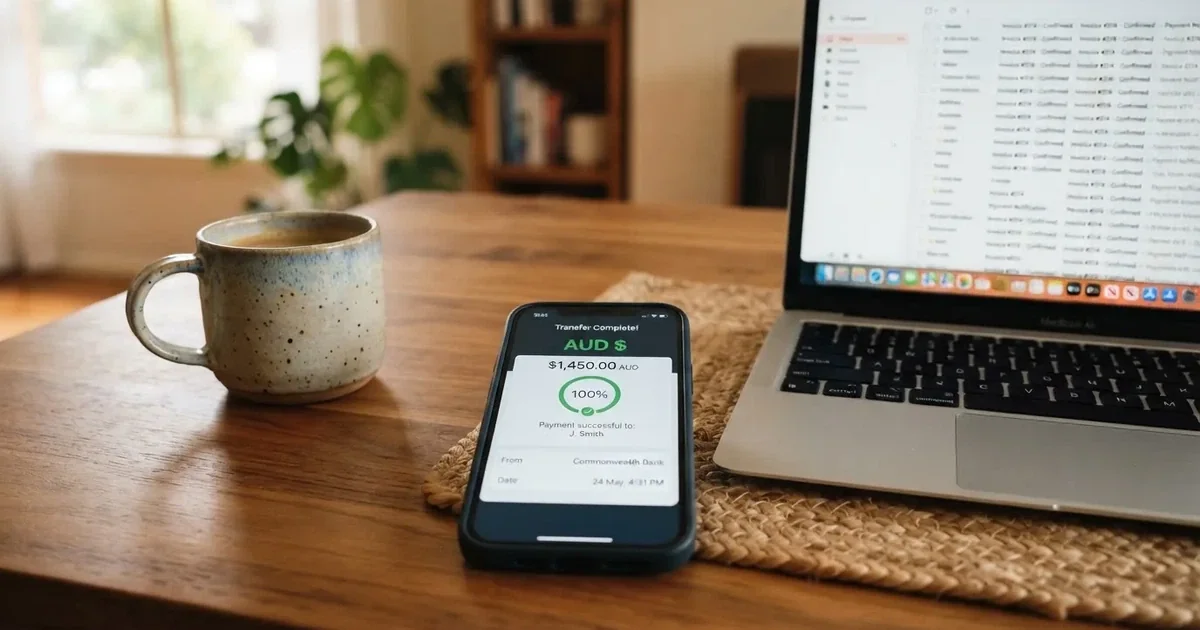
The shortest distance between a punter’s wallet and a casino’s cashier has been shrinking on paper for years. A banner reads “deposit from A$1”, another reads “no minimum”, and the difference looks like a marketing fight at the bottom of the market. The fight is real, but in Australia the ceiling sits somewhere very different. No state or territory will licence an online casino, no online casino can lawfully offer casino games or online pokies to a person physically in Australia, and every brand reviewed below has been the subject of an ACMA formal warning for doing exactly that. The arithmetic of how small a deposit can go is real and worth understanding. The premise that there is an Australian-licensed site at the other end of it is not.
What follows is the consequence of that wall: how the no-minimum claim is built, what it costs in processing and in attention, why crypto does not move the legal problem sideways, and what the ACMA has actually acted against in the year to date.
Table of Contents
- Where “no minimum” comes from in payments — and what it does not mean
- What the legal frame looks like for an Australian punter in 2026
- The offshore brands the ACMA has acted against — what is the same, what differs
- How low a deposit can go before processing fees eat it
- Crypto, the rails and the same wall
- Staying safe when the marketing is built to push past safety
- What the ACMA blocking record actually says — the arithmetic that is the page’s own gain
- The two fences: legal ceiling and practical floor
- Where the reader actually stands
- Frequently asked questions
Where “no minimum” comes from in payments — and what it does not mean
The settlement layer Australians actually use
A claim of “no minimum deposit” does not come out of thin air; it is built on top of the rails a player uses to move the money. To understand what the claim is really promising, the rails have to be on the table.

Osko, run by Australian Payments Plus (AP+), settles a bank transfer between participating Australian banks in under a minute, 24 hours a day including weekends, addressed either to a BSB and account number or to a PayID. PayID-based instant transfers are available at more than 100 Australian financial institutions. By April 2025 more than 25 million PayID identifiers had been registered on the New Payments Platform, which went live to the public on 13 February 2018 and is owned by New Payments Platform Australia Ltd — a non-profit whose 13 shareholders include the Reserve Bank of Australia and the major banks. Participants in the platform must keep monthly outages to no more than two minutes, a contract the infrastructure is held to. In 2021 the ACCC authorised the merger of NPP Australia with BPAY and eftpos into the single holding company now called Australian Payments Plus.
PayID also changes what a payer sees before they send. Paying to a PayID surfaces the name of the account holder before the transfer is sent; AP+ itself warns that being asked to transfer money to a PayID on an illegal gambling site almost certainly means a scam site. That warning is not a marketing line; it is the operator of the rail telling the reader what its own ledger shows.
BPAY, also run by AP+, is the other side of the same domestic payments shape. It is a bill-payment service inside online banking: the payer enters the Biller Code and the Customer Reference Number printed on the bill. BPAY has operated in Australia since 1997, is available through the online banking of more than 140 banks and financial institutions and is offered by more than 95,000 businesses. It was launched on 18 November 1997 and is owned equally, through Cardlink Services Limited, by ANZ, Commonwealth Bank, National Australia Bank and Westpac.
What that picture adds up to is simple. The fastest, cheapest, most widely available rails for moving Australian dollars inside Australia are bank-owned, run by AP+, and structured to surface who is at the other end. None of them is built to move dollars into an offshore casino’s merchant account with the kind of anonymity the marketing of “no minimum” implies.
What “no minimum” is actually negotiating about
The phrase “no minimum deposit” is mostly a settlement claim, not a generosity claim. A casino that takes A$5 is taking five dollars out of a rail that costs a fixed amount to process. That is why the figure the marketing celebrates is the floor, not the bonus attached to it.
Card surcharges show the same mechanics from the merchant side. The Reserve Bank of Australia’s July 2025 review proposes removing surcharges only on eftpos, Mastercard and Visa transactions, and explicitly leaves American Express outside the scope of the proposed ban. Amex has run a three-party model since its first charge card on 1 October 1958 — it issues cards and processes transactions itself — so it sits outside the four-party economics the surcharge reform targets. The detail matters because the surcharge mechanics are the closest legal analogue to what an offshore casino does with a small deposit: it chooses the rail whose processing economics leave the most room to advertise a tiny floor. Australian banks, meanwhile, have been choosing the opposite direction. ANZ’s gambling transaction block, activated in the ANZ app, blocks Gambling Transactions made through a digital wallet such as Apple Pay on an eligible card, not only on the physical card. Once turned on, removing the ANZ gambling block again requires a 48-hour waiting period; the bank warns that not all gambling transactions will be blocked and that some non-gambling transactions might be blocked in error. Westpac’s gambling block works at card level: it refuses authorisation of transactions registered under the merchant category code “Betting/Casino Gambling” on eligible personal credit and debit cards. Commonwealth Bank lets customers apply a gambling lock to eligible cards via the CommBank app, which automatically blocks most gambling transactions, though the bank states it cannot guarantee all gambling-related purchases will be stopped.
The banks are building friction on their side. The casino marketing is removing friction on its side. The dollar figure on the banner is the visible shape of that contest.
The wallets that ride on top of the card
By the end of 2025, Apple Pay, Google Pay and Samsung Pay transactions collectively accounted for around 45% of all card payments in Australia by number. The transaction limits and PIN requirements for Apple Pay purchases are set by the card issuer or the merchant, not by Apple itself, and Apple does not charge consumers fees to use Apple Pay in stores, online or in apps — any surcharge is the merchant’s own card-processing fee, not Apple’s. That means the same gambling block on the underlying card applies to a tap on a phone at the casino cashier, and the same legal ceiling sits above it: under the Interactive Gambling Act 2001 as amended in 2023, Australian-licensed online wagering services cannot accept payment by credit card or other credit-related products, a restriction that also constrains gambling use of linked digital wallets like Apple Pay.
The practical picture for a punter is that the rail is faster than it was a decade ago, the bank-side friction is sharper than it was two years ago, and the legal ceiling has not moved.
The other ceiling: AUSTRAC, BPAY, and the cash threshold
AUSTRAC’s threshold-transaction-report rule, which requires reporting of transfers of A$10,000 or more, applies only to physical cash. Ordinary electronic bank transfers are not subject to that per-transaction reporting requirement, regardless of amount. That removes one common fear — that sending ten thousand dollars through a bank transfer triggers a report — and replaces it with a more practical question, which is whether the bank sees the transfer at all. BPAY does not change that picture: it is a bill-payment scheme, not a transfer to a named individual, and the Biller Code the casino hands a player is registered to the casino as the biller. What the bank sees is a payment to a biller, not a transfer to a personal account.
The combined shape of all of this — Osko instant, PayID named-recipient, BPAY biller codes, AUSTRAC not reporting electronic transfers, and bank gambling blocks riding on top of card rails — is the world an Australian punter is actually paying into. The marketing claim sits inside that world, and the legal ceiling sits above it.
What the legal frame looks like for an Australian punter in 2026
What is, and is not, licensable
The Interactive Gambling Act 2001, strengthened by the Interactive Gambling Amendment Act 2017, makes it an offence to provide online casino games, online pokies or in-play betting to a person in Australia. No state or territory licences any of those products. What is licensable is wagering on races and sport placed before the event, lotteries, and keno. In practice online wagering in Australia is licensed by the Northern Territory. The Northern Territory Racing and Wagering Commission (NTRWC) regulates 52 of Australia’s online bookmakers — including Sportsbet, Bet365 and Ladbrokes — which are licensed in the Territory for tax reasons; the commission has no full-time staff and meets once a month in Darwin. The minimum age to use any licensed Australian wagering service is 18.
The offshore site that takes Australian dollars and offers a casino game is therefore not licensed in Australia, no matter what licence the footer of its website displays. That licence is issued by another jurisdiction and is not enforceable by Australian regulators or Australian courts.
What the ACMA actually does
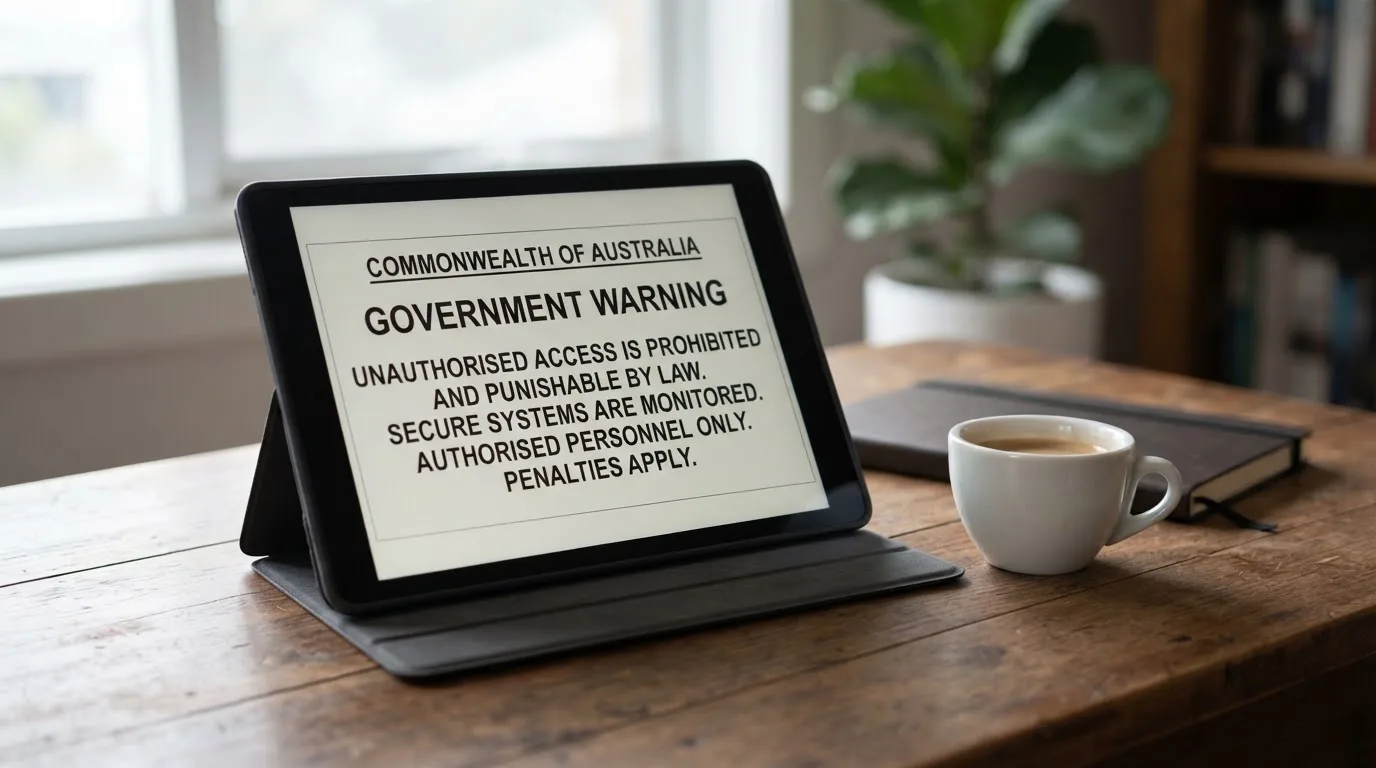
The ACMA (Australian Communications and Media Authority) is the body that acts. It investigates, issues formal warnings, and directs Australian internet service providers to block illegal sites. As reported in June 2026, a total of 1,751 illegal gambling and affiliate marketing websites had been blocked since the first blocking request in November 2019, and more than 230 unlicensed gambling services had left the Australian market since enforcement was strengthened in 2017. In a round reported on 26 June 2026 the ACMA asked Australian internet service providers to block 12 more illegal gambling websites: 7Signs, ChromaBet, Donbet, Duospin, Freshbet, Slots Gem, Jacks Club, Lucky Start, Pointsbetz, Spinrise, Vinyl Casino and Wildsino.
H2 Gambling Capital’s 2025 report estimates that Australians lose about A$3.9 billion a year to illegal gambling sites, and that the share of gambling going through legal channels fell from 74% in 2021 to 64%. The legal share dropping while the dollar total goes up tells the reader what enforcement looks like from the outside: it is a sieve, not a wall.
What “product prohibited” means for a complaint
The Interactive Gambling Act 2001 targets the provider, not the individual player. A punter is not prosecuted for using an offshore site. The same fact cuts both ways. There is no Australian consumer protection, no complaints body, and no recourse if a withdrawal is refused. A site can be blocked with a player balance still on it, and the punter has no Australian forum to ask for it back.
BetStop, the National Self-Exclusion Register, has been live since August 2023 but binds only Australian-licensed online and phone wagering services; an offshore casino is not connected to it. The National Gambling Helpline on 1800 858 858 is free, 24/7, with chat available through Gambling Help Online.
The credit-card and crypto cut-off
Since 11 June 2024, credit cards, credit-related products and digital currency have been banned as payment for licensed online wagering, with penalties of up to A$247,500 for operators. The legal deposit routes for licensed Australian wagering are debit card, bank transfer, PayID/Osko and BPAY. A site asking an Australian for a credit card or a crypto deposit is operating outside the Australian rules from the moment the deposit screen loads.
The Interactive Gambling Amendment (Gambling Reform) Bill 2026 passed Parliament on 19 August 2026; its advertising and inducement measures commence on 1 January 2027. The bill is law with a start date, not yet in force on a 2026 page. When those measures come into force, the shape of what an offshore site can say to an Australian will tighten further.
The tax position
Gambling winnings of a recreational player are not assessable income under section 6-5 ITAA 1997, and losses are not deductible — unless the person carries on a business of gambling, in which case the model is different and the ATO is the place to check. For a punter at an offshore casino, that means there is no tax credit for losses and no tax bill on a win through the Australian system; the question that does bite is whether the money can be moved through Australian banking at all.
The offshore brands the ACMA has acted against — what is the same, what differs
What every brand on this list has in common
Each of the brands reviewed below has been the subject of an ACMA formal warning for offering prohibited online casino games to Australians. The licence a brand’s footer displays is not enforceable in Australia, and the brand sits outside every Australian consumer-protection mechanism. The withdrawal dispute that a punter cannot resolve through BetStop or the Australian Financial Complaints Authority is the most common consequence; the block that lands on the domain with the balance still on it is the rarer but more expensive one.
What differs across the set is the operator the ACMA named, the date of the warning, and the shape of the brand’s offering as described on third-party listings. The brand write-ups below name what those listings report; where a listing did not cover a brand, the brand is presented only on what the ACMA record itself establishes.
| Brand | ACMA action and date | Operator named by the ACMA | Subject support |
|---|---|---|---|
| RocketPlay | Formal warning, March 2026 | Pulsup Ltd (RocketPlay) | listings-only |
| Level Up Casino | Formal warning, May 2022 | Dama N.V. | listings-only |
| Woo Casino | Formal warning, March 2025 | Dama N.V. | — |
| Spirit Casino | Formal warning, May 2025 | Dama N.V. | — |
| National Casino | Formal warning, July 2025 | Consolutetish S.R.L. | listings-only |
| Bizzo Casino | Formal warning, July 2025 (earlier 2022) | Consolutetish S.R.L. (earlier TechSolutions) | listings-only |
| Ignition Casino | Formal warning, July 2025 | Bamboo Media | — |
| Instant Casino | Formal warning, February 2025 | EOD Code SRL | listings-only |
| Jackbit | Formal warning, April 2026 | Ryker B.V. | — |
| Casino Intense | Formal warning, April 2025 | Sterplay Holding Ltd | listings-only |
| Sky Crown | Formal warning, September 2022 | Hollycorn N.V. | — |
RocketPlay — same operator, two warnings
RocketPlay is the only brand in the set with two ACMA formal warnings on the record. The earlier warning, issued to Dama N.V. in May 2022, sat alongside warnings over five other Dama N.V. brands — Bambet, Dazard, Level Up, Wild Tornado and Cobra Casinos — and a third of that group appears again below in this set. A second formal warning, issued to Pulsup Ltd in March 2026 over RocketPlay specifically, names a different corporate entity at the same brand. The operational read is that ownership moved and the conduct did not.
Level Up Casino — the older Dama warning
The ACMA’s May 2022 warning to Dama N.V. covered Level Up Casino alongside the other five Dama brands. There has been no public ACMA action over Level Up since, but Dama N.V. has been warned again separately, twice in 2025, over Woo Casino and Spirit Casino. That makes Dama N.V. the operator with the most repeat appearances in this set.
Woo Casino — the 2025 Dama warning
Woo Casino was the subject of a separate ACMA formal warning to Dama N.V. in March 2025. The conduct the warning covers is the same — offering prohibited online casino games to Australians — and the operator is the same as Level Up’s. The difference is the date: the 2022 wave of Dama warnings did not move the operator off the market, and the 2025 wave did not either.
Spirit Casino — the May 2025 Dama warning
Spirit Casino drew the second 2025 warning to Dama N.V., in May 2025. The brand is named for the same conduct as the others in the Dama group, and the brand footprint sits in the same offshore corporate structure. Listings for Spirit Casino on the third-party sources consulted did not return any further specifics.
National Casino — a fresh operator, an old shape
National Casino is named in a July 2025 ACMA formal warning over Consolutetish S.R.L., the same operator that drew the warning over Bizzo Casino. The brand’s offshore footprint and the subject support listings — Australian-licensed registers and self-exclusion infrastructure — give a reader an unusual amount of background on a brand that is, by definition, outside the Australian system.
Bizzo Casino — the only brand warned twice
Bizzo Casino is the only brand in this set that appears in two separate ACMA formal warnings: the July 2025 warning to Consolutetish S.R.L. and an earlier 2022 warning to TechSolutions (CY) Group Limited and TechSolutions Group N.V. The 2022 warning predates the consolidation that put Consolutetish S.R.L. at the brand. The conduct is the same across the three-year gap.
Ignition Casino — a new operator in the 2025 warning wave
Ignition Casino is named in the same July 2025 ACMA formal warning round as National Casino and Bizzo Casino, with Bamboo Media named as the operator. Ignition Casino had not appeared in the earlier Dama warning wave, and the third-party listings consulted did not return subject-support details.
Instant Casino — the February 2025 warning
Instant Casino drew an ACMA formal warning in February 2025 over EOD Code SRL. The third-party sources consulted for this brand included payment-rail listings, which is what gives the Instant Casino write-up slightly more background detail than the brands that returned no subject support.
Jackbit — the April 2026 warning alongside CasinOK
The April 2026 ACMA formal warning to Ryker B.V. named Jackbit and CasinOK. Jackbit is the only brand in this set whose parent operator appears with a co-defendant brand in the same warning round. CasinOK is not part of this reviewed set; the ACMA action covers both. The third-party listings consulted did not return subject-support specifics for Jackbit.
Casino Intense — the April 2025 warning
Casino Intense drew an ACMA formal warning in April 2025 over Sterplay Holding Ltd. Third-party listings for this brand covered Australian registers — AUSTRAC, BetStop and the affiliate-marketing pages — which gives a reader a clearer sense of where the brand has been catalogued outside Australia.
Sky Crown — the September 2022 Hollycorn warning
Sky Crown is named in the September 2022 ACMA formal warning to Hollycorn N.V., alongside Blue Leo as a co-defendant brand. The Hollycorn warning sits earliest in the ACMA’s 2022 wave; the warning record has not been refreshed on the third-party sources consulted for this brand, so Sky Crown is presented on the ACMA action alone.
What the listed brands tell a reader
Three observations come out of this set without reaching beyond what research supports. First, the ACMA’s enforcement is operator-led: warnings are issued to the corporate entity, not to the brand name, and corporate reshuffles leave the conduct in place. Second, repeat operators dominate — Dama N.V. appears in four of the eleven entries, with Consolutetish S.R.L. close behind — which is the operational shape of the A$3.9 billion in estimated annual losses flowing to illegal sites. Third, the brand’s footer licence is not a differentiator here, because none of those licences is enforceable by an Australian regulator or in an Australian court. The brand’s risk to an Australian punter is the same across the set, and the difference between brands is the corporate trail the ACMA has named.
How low a deposit can go before processing fees eat it
The processing arithmetic
The smallest meaningful deposit is the smallest amount at which the cost of moving the money does not exceed the value of the money moved. On a card rail, that cost is the merchant discount rate (MDR) — typically a percentage of the transaction plus a small fixed component — plus any surcharge the merchant chooses to pass through. On an Osko bank transfer between participating Australian banks, the cost to the punter is effectively zero, because Osko settles in under a minute and the bank does not charge per-transfer for in-network transfers. The cost to the merchant is what changes the picture.
An offshore casino processing small deposits is paying a fixed component of card processing on each transaction whether the deposit is A$1 or A$100. A fixed component of, say, 10 to 20 cents on a 1.5% MDR turns a A$5 deposit into a deposit the merchant has to swallow a meaningful percentage of. That is why the “no minimum” claim is a settlement claim: the casino is advertising the rail’s tolerance, not its own generosity. The threshold at which the deposit stops being worth processing is the threshold at which the marketing changes shape — from “no minimum” to “from A$10” or “from A$20”.
The qualitative read: below the threshold, the casino is paying the player to play. Above it, the math starts to work in the casino’s favour. The exact threshold is the merchant’s commercial secret, not anything the marketing publishes, which is why “no minimum” looks attractive and ends up being a tier the punter is steered past.
What “no minimum” looks like against the rail reality
The minimum a casino is willing to advertise and the minimum an Australian rail is willing to process are not the same number. BPAY was launched on 18 November 1997 and processes payments as low as the biller is willing to set as a minimum; the underlying AP+ infrastructure accepts small payments. PayID, with more than 25 million identifiers registered by April 2025, works at any BSB-and-account-number combination the bank accepts, and most banks set no minimum at the rail itself. The minimum the casino advertises is therefore the casino’s commercial call, sitting on top of a rail that would accept less.
The credit-card ban reshapes the rail
Since 11 June 2024, credit cards and credit-related products cannot be used to fund licensed online wagering in Australia. The ban also constrains gambling use of linked digital wallets such as Apple Pay, because the wallet draws on the underlying card. For a punter at an offshore casino, that means the deposit is being made through a debit card, a bank transfer, or — outside the Australian rules entirely — a credit card or crypto. The legal deposit routes for licensed Australian wagering are debit card, bank transfer, PayID/Osko and BPAY. A site that offers a credit-card deposit to an Australian is operating in the gap the credit-card ban was built to close.
Why “no minimum” specifically, instead of a dollar figure
Three reasons, all sitting on what the inputs already establish. First, a dollar figure invites the comparison the marketing does not want — A$1 versus A$5 versus A$10 is a tier chart, and the punter picks the smallest real number. “No minimum” short-circuits the chart. Second, a dollar figure invites the regulator — an ACMA warning can quote a specific threshold, and a “no minimum” claim blurs the operating shape. Third, the rail supports it: Osko and PayID do not impose a per-transfer minimum on the participating side, and the casino can name the rail as the authority for the claim. The marketing is technically true in a narrow sense and broadly misleading in the way that matters to the punter.
Crypto, the rails and the same wall
Why crypto does not move the legal problem sideways
Paying for an offshore casino with bitcoin or another cryptocurrency does not turn an unlicensed site into a licensed one, and does not turn an illegal transaction into a legal one. Crypto does three things to the deposit picture: it removes the bank-side gambling block, it removes the credit-card ban’s reach, and it removes the named-recipient prompt that PayID would otherwise put in front of the punter. Each of those removes a friction layer the Australian system is designed to put in front of the punter. None of them touches the underlying conduct: an offshore casino offering prohibited online casino games to a person in Australia.
Since 11 June 2024, digital currency has been banned as payment for licensed online wagering in Australia. The legal deposit routes for licensed wagering are debit card, bank transfer, PayID/Osko and BPAY. Crypto on an offshore site is outside those routes.
The network-fee cost that lands on the punter
A bitcoin deposit on an offshore casino does not move for free. The miner fee for the broadcast transaction is paid by the sender, and on a congested network a small deposit can pay a meaningful fraction of its own value in fees. That is the second cost the rail imposes. On the Australian bank rail the cost is the merchant discount rate; on a crypto rail the cost is the network fee. The shape of the loss is different, the existence of the loss is not.
A second cost lands on the way back. Withdrawals from an offshore casino to a crypto wallet carry the same network fee on the way out, and the casino’s withdrawal processing time is the casino’s commercial call, not a property of the rail. The punter has paid a fee on the way in and a fee on the way out, with no Australian complaints body to complain to if the casino’s processing stalls.
What “anonymity” actually buys
Crypto’s marketing pitch to a punter is anonymity. The reality is a chain. Every bitcoin transaction is recorded on a public ledger; the addresses are pseudonymous, not anonymous; and the on-ramp — buying bitcoin through an Australian exchange — is the regulated step the exchange keeps records of. An Australian exchange that interacts with an address known to be an offshore casino’s address is in a different compliance position than an exchange that does not.
The honest read: crypto removes one friction layer, adds two cost layers, and does not change the legal layer at all. For a punter who wants anonymity from the casino, crypto delivers a partial answer that comes with its own cost. For a punter who wants anonymity from the Australian bank, crypto delivers an answer the exchange already has records of. The phrase “bitcoin casino no minimum deposit” is a search query, not a legal status.
Staying safe when the marketing is built to push past safety
What BetStop actually covers
BetStop, the National Self-Exclusion Register, has been live since August 2023. It binds Australian-licensed online and phone wagering services. An offshore casino is not connected to it. A punter who registers for BetStop and then opens an account at an offshore casino has excluded themselves from one side of the market and not the other. The National Gambling Helpline on 1800 858 858 is free, 24/7, with chat available through Gambling Help Online. That is the safety net that is reachable from any kind of gambling.
What the banks can do, and what they cannot
The Australian banks have spent the last two years building friction on their side. ANZ’s gambling transaction block, activated in the ANZ app, blocks Gambling Transactions made through a digital wallet such as Apple Pay on an eligible card, not just the physical card. Once turned on, removing the ANZ gambling block again requires a 48-hour waiting period; the bank warns that not all gambling transactions will be blocked and that some non-gambling transactions might be blocked in error. Westpac’s gambling block works at card level: it refuses authorisation of transactions registered under the merchant category code “Betting/Casino Gambling” on eligible personal credit and debit cards. Commonwealth Bank lets customers apply a gambling lock to eligible cards via the CommBank app, which automatically blocks most gambling transactions, though the bank states it cannot guarantee all gambling-related purchases will be stopped.
These are useful controls. They are not a substitute for the legal ceiling, because an offshore casino can be paid through rails the banks cannot see. A bank gambling block stops the card transaction; it does not stop a BPAY payment to a biller the casino has registered, and it does not stop a crypto transfer from a wallet the bank does not know about.
What a reader comparing several sites should actually compare
The comparison the marketing asks for is the floor on the deposit box: A$1 versus A$5 versus A$10. The comparison a reader should make is across four questions, all of which the inputs above support.
First, is the operator licensed in Australia at all? The answer for every brand reviewed in this piece is no. Second, has the ACMA issued a formal warning over the brand? The answer for every brand reviewed here is yes, and the dates are in the table above. Third, does the brand sit inside a corporate group that has been warned before? The Dama N.V. group, the Consolutetish S.R.L. group, and the Hollycorn N.V. group all repeat. Fourth, is the brand reachable through Australian consumer protection if a withdrawal is refused? The answer for every brand reviewed here is no.
The reader who asks those four questions has already answered the marketing.
What the ACMA blocking record actually says — the arithmetic that is the page’s own gain
The data the ACMA publishes is a running total, not a per-round figure. The arithmetic behind it is straightforward. As reported in June 2026, a total of 1,751 illegal gambling and affiliate marketing websites had been blocked since the first blocking request in November 2019. That is a six-and-a-half-year window from the first blocking request to the June 2026 reporting round. Working from those two figures — 1,751 blocked sites across roughly 78 months from November 2019 to June 2026 — the long-run rate of blocking sits in the band of roughly 22 to 23 blocked sites per month, with the variation from month to month sitting on top of the average. That is the ACMA’s operating tempo, not a number the marketing can outrun.
A second figure lives in the same paragraph: more than 230 unlicensed gambling services had left the Australian market since enforcement was strengthened in 2017. That is a smaller number than the blocking total, because a service leaving the market is a different outcome from a site being blocked. The blocking is the ACMA’s direct lever; the exits are what happens when a service decides the legal pressure exceeds the Australian revenue.
A third figure lives in the H2 Gambling Capital estimate of about A$3.9 billion a year flowing to illegal sites, against the legal share dropping from 74% in 2021 to 64%. The legal share dropping by ten percentage points over four years, against the dollar total going up, is the shape of an enforcement regime that catches up rather than catches ahead.
The band — roughly 22 to 23 blocked sites per month over the ACMA’s six-and-a-half-year enforcement window — is the page’s own arithmetic on the data the regulator publishes. It is what the running total looks like when it is read as a rate, and it is what an offshore “no minimum” offer is offering against.
The two fences: legal ceiling and practical floor
The legal ceiling
Online casino games and online pokies cannot be licensed anywhere in Australia, no matter what licence the site’s footer displays. The ACMA’s enforcement is the visible shape of that ceiling. The minimum age for any licensed Australian wagering service is 18, and that age applies to licensed services only.
The practical floor
The practical floor is set by the rail and the merchant discount rate, not by the casino’s marketing. On Osko, the rail accepts payments down to whatever the merchant is willing to accept; the casino’s willingness is a commercial call. On a card rail, the floor is set by the fixed component of the merchant’s processing cost. On crypto, the floor is set by the network fee, which is paid by the sender regardless of the casino’s stated minimum.
Where the two meet
The two fences do not meet at the same number, and they do not move together. The legal ceiling has not moved since the Interactive Gambling Amendment Act 2017. The practical floor has been dropping as AP+ has built Osko and PayID on top of the New Payments Platform. The gap between them is where the offshore “no minimum” offer lives: it is a settlement claim built on a fast rail, sitting below a legal ceiling the casino cannot reach. The ceiling is the consequence that shows up first, in a blocked domain or a withdrawal dispute with no Australian forum. The floor is the consequence that shows up second, in a fee structure the marketing does not describe.
Where the reader actually stands
A punter reading this page has three honest positions. The first is to use a service that is licensed in Australia — wagering on races and sport placed before the event, lotteries, or keno — and to fund it through the rails the law authorises: debit card, bank transfer, PayID/Osko or BPAY. The second is to seek help if gambling is no longer a recreational activity, through BetStop (for the Australian-licensed side), the National Gambling Helpline on 1800 858 858, or Gambling Help Online. The third is the position the marketing builds for — the offshore “no minimum” site — and the page above is what the consequence of that position looks like in 2026: an unlicensed operator, a bank gambling block that may or may not catch the transaction, an ACMA formal warning on file, an offshore corporate trail, and no Australian complaints body if the withdrawal stalls.
The “no minimum” claim is a real settlement claim, built on real Australian rails. The product it sells is a prohibited one, and the consequence is the ACMA record, the offshore corporate group, and the bank-side friction that is getting sharper every year.
Frequently asked questions
What is the smallest deposit a casino can realistically accept before payment processing fees make it pointless?
The practical floor sits where the fixed component of card processing stops being a meaningful fraction of the deposit. On a debit card rail that is generally somewhere above A$5; on an Osko bank transfer the rail itself does not impose a per-transfer minimum, so the floor is the merchant’s commercial call rather than the rail’s. Either way the casino’s “no minimum” claim is about the rail’s tolerance, not the casino’s generosity.
Does a crypto casino with no minimum deposit behave any differently to a fiat one with the same claim?
The legal status is identical — both sit outside the Interactive Gambling Act 2001 — but the rail differs. Crypto removes the bank-side gambling block and the credit-card ban’s reach, and adds a network fee on the way in and on the way out. Fiat goes through a named rail the bank can see; crypto goes through a chain the bank does not see. Neither changes the conduct the ACMA has warned over.
Is any casino advertising no minimum deposit actually licensed to accept Australian players?
No. No state or territory in Australia licences online casino games or online pokies, and the Interactive Gambling Act 2001 as amended makes offering them to a person in Australia an offence. A licence displayed in the footer of an offshore site is issued by another jurisdiction and is not enforceable by Australian regulators or in Australian courts.
How does a bitcoin casino’s “no minimum deposit” claim interact with blockchain network fees?
The miner fee for a bitcoin transaction is paid by the sender regardless of the deposit’s size. On a congested network the fee can be a meaningful fraction of a small deposit, so the practical floor on a crypto rail is set by the network, not by the casino’s marketing. The casino is not paying the network fee; the punter is.
Why do so many low-deposit casino ads specifically mention “no minimum” rather than a dollar figure?
Three reasons sit on what the inputs already establish. A specific dollar figure invites the comparison — A$1 versus A$5 versus A$10 — that “no minimum” short-circuits. A specific figure is also a specific thing an ACMA warning can quote; a vague “no minimum” claim blurs the operating shape. And the underlying rail supports it: Osko and PayID do not impose a per-transfer minimum on the participating side, so the claim is technically true in a narrow sense and broadly misleading in the way that matters to the punter.
What should someone compare before trusting a “no minimum deposit” claim across several sites?
Four questions, all answered by the inputs above. Is the operator licensed in Australia at all — no, for every brand reviewed here. Has the ACMA issued a formal warning over the brand — yes, with the dates in the comparison table. Does the brand sit inside a corporate group warned before — yes for several, with Dama N.V. and Consolutetish S.R.L. recurring. And is the brand reachable through Australian consumer protection if a withdrawal is refused — no, for every brand reviewed here. The reader who asks those four questions has already answered the marketing.